3MPLAS

Full transparency of our processes

The three cases below show the working method: each starts from a problem real projects hit, then shows the intervention and the handoff records, with acceptance criteria you can check.

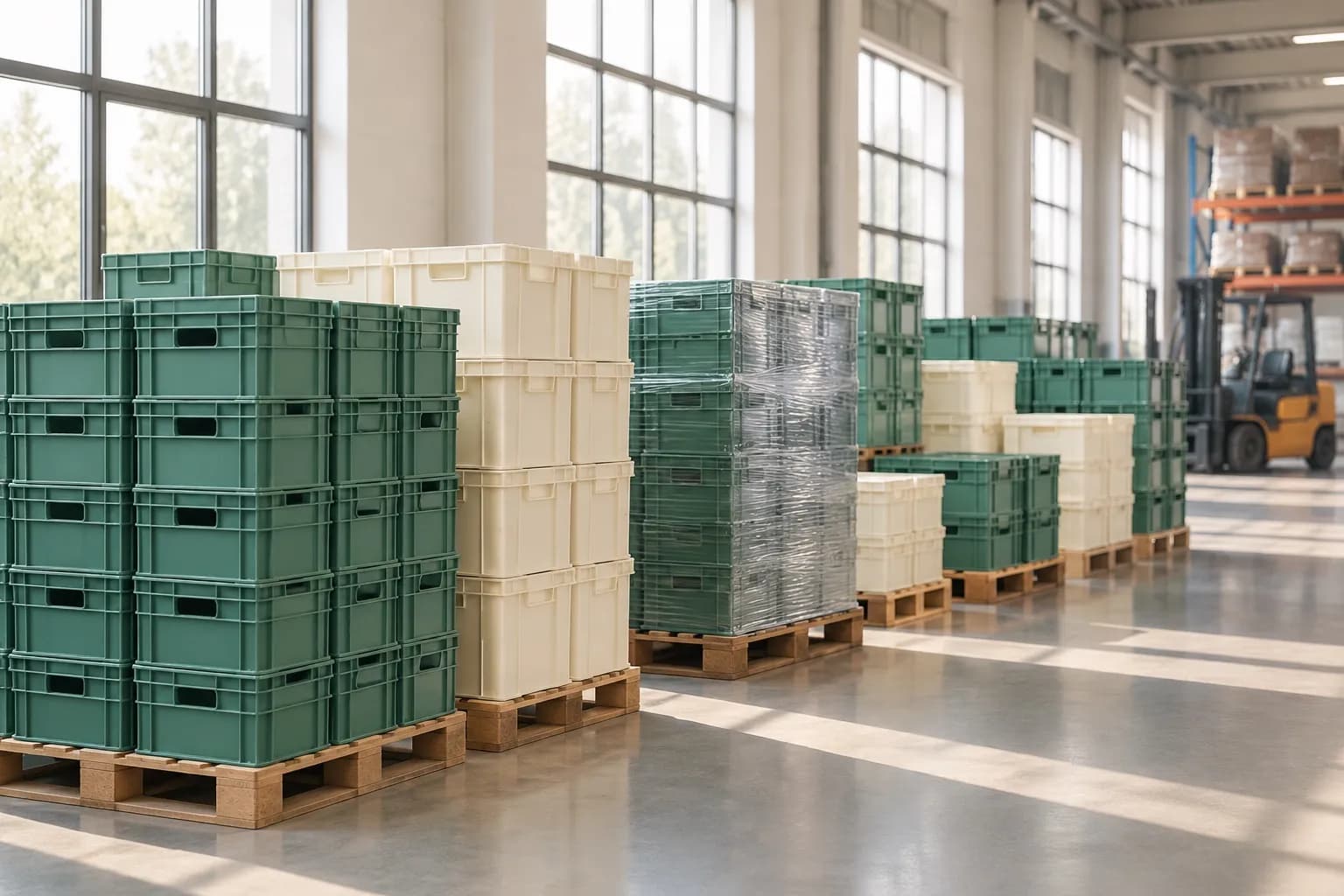
Finished plastic crates on pallets in the shipping area

Every case follows the same structure

From a storage-crate sample to a production-ready handoff
Product / Tooling / Sampling

From a storage-crate sample to a production-ready handoff

Resolve stacking fit and wall-thickness risks before handing tooling, color samples and inspection requirements to production.

Product
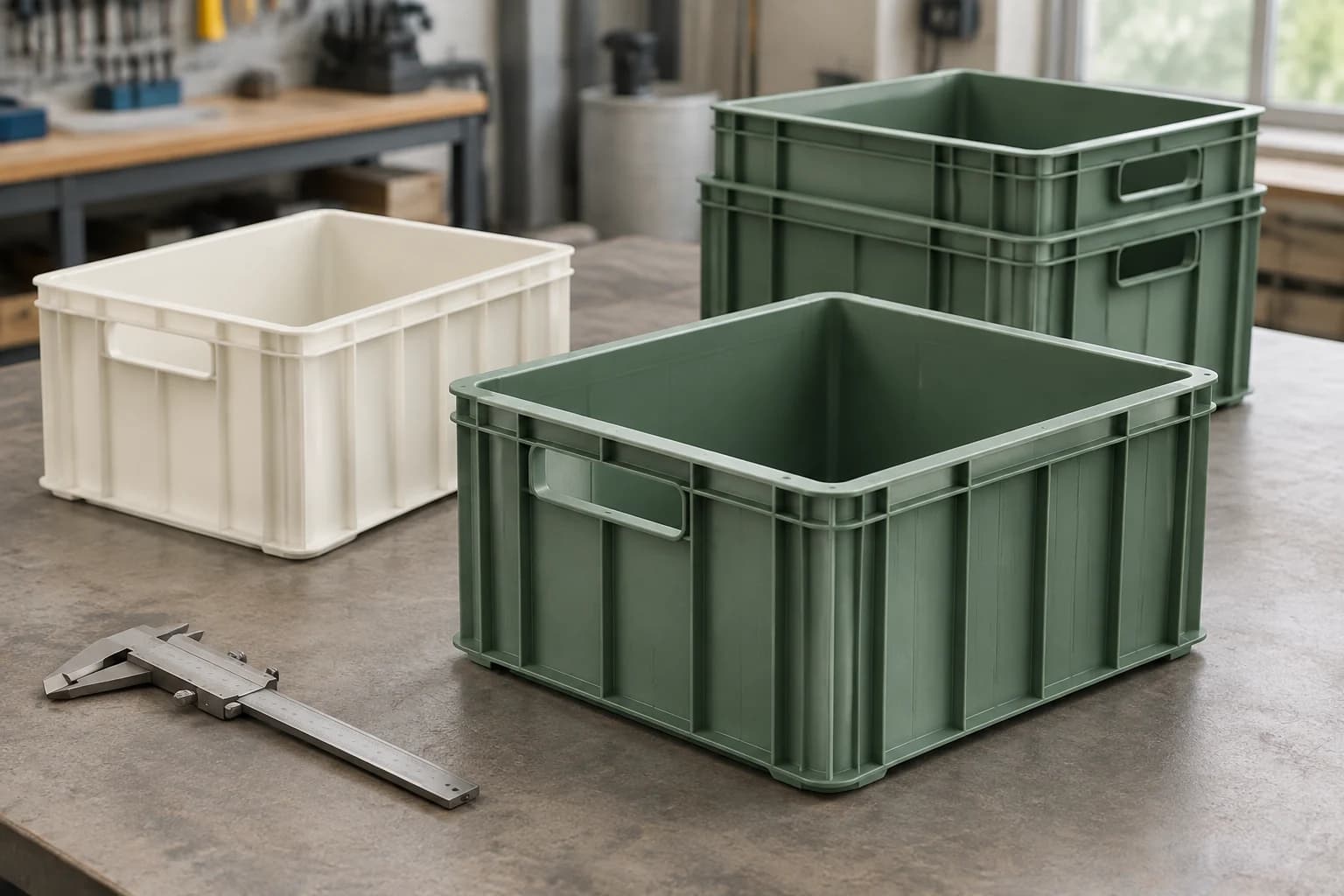
Stackable PP storage crate
Dimensions
400 × 300 × 220 mm
First batch
5,000 units
Starting point
Reference sample + use requirements

The starting problem

In this project, a customer brings a reference crate and wants better stacking stability and revised handles. Tooling directly from the sample could leave shrinkage, wall thickness and fit issues unresolved until mold trials.

What we did

  1. Document use, loading, stacking clearance and appearance acceptance requirements.
  2. Review ribs, wall transitions and demolding direction; issue a design-for-manufacture question list.
  3. Validate critical dimensions, stacking and color with samples; approve each revision.
  4. Hand over the approved sample, process revision, packaging requirements and inspection points together.

Outcome

Outcome: an approved reference sample with matching dimensional, visual and packaging criteria. Completion means the production team knows which revision to make and inspect, not merely that a mold exists.

Handoff records

Engineering review
Wall, rib and demolding risks with open decisions.
Trial record
Sample IDs, revisions, measurements and change status.
Production handoff
Approved sample, inspection points, packaging and ownership.
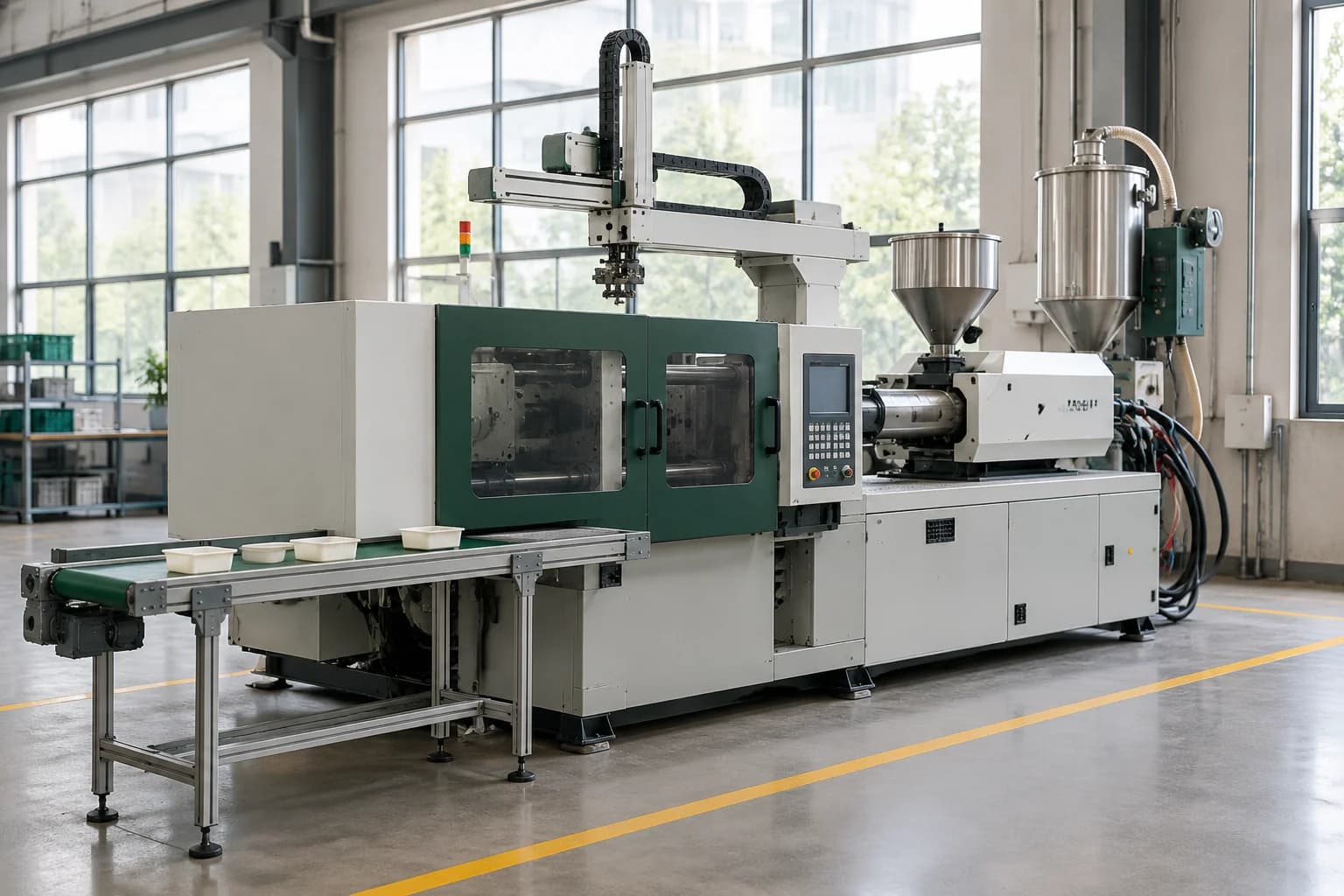
A tray-production cell with an agreed acceptance plan
Equipment / Automation / Handoff

A tray-production cell with an agreed acceptance plan

Check that the tool, take-out robot, conveyor and site interfaces work together, rather than comparing machine quotations in isolation.

Product
Household PP tray
Cell configuration
Injection machine / robot / conveyor
Operating target
Two shifts; output subject to trial
Starting point
Existing tool + capacity expansion

The starting problem

In this project, the customer has an existing mold and limited floor space. Separate equipment quotations leave mold interfaces, robot travel and site utilities uncoordinated.

What we did

  1. Consolidate tool envelope, opening stroke, material and target output in one selection brief.
  2. Compare two configurations for interfaces, maintenance access and automation, not purchase price alone.
  3. Confirm water, power, air and material flow against the site layout and assign preparation tasks.
  4. Run the agreed product and inspect safety, dimensions, cycle records and training against an acceptance checklist.

Outcome

Outcome: an integration proposal with explicit equipment scope, site preparation, trial conditions and support interfaces. Nameplate specifications are not presented as validated capacity; unresolved items remain on the correction log.

Handoff records

Configuration comparison
Matching rationale, options and exclusions.
Site checklist
Equipment position, utilities, access and preparation owners.
Acceptance record
Trial conditions, open issues, training and document handoff.
Two suppliers. One traceable delivery handoff
Sourcing / Inspection / Packaging

Two suppliers. One traceable delivery handoff

Align revisions, color samples and packaging before following samples, corrective actions and shipping records.

Scope
Three plastic storage products
Suppliers
Two partner manufacturers
Inspection focus
Dimensions / appearance / packaging
Starting point
Purchase specification + approved samples

The starting problem

In this project, two suppliers interpret appearance and packaging requirements differently. The customer wants to catch color, accessory and labeling differences before arrival and make correction responsibility clear.

What we did

  1. Align drawing, approved-sample and packaging revisions; assign each supplier’s scope.
  2. Agree inspection items, sampling and defect classification with the customer instead of assuming one universal standard.
  3. Track measurements, appearance and packaging issues by batch; verify corrective actions.
  4. Check counts, cartons, labels and documents before shipping; hand over only after the customer’s release decision.

Outcome

Outcome: each batch has matching inspection, correction and packaging records. Unresolved issues are not hidden by a “shipped” status; the customer makes an informed release decision.

Handoff records

Specification baseline
Consistent order, sample, drawing and packaging revisions.
Issue tracking
Batch, photo, owner and recheck result tied together.
Shipping handoff
Count sheet, packaging records and open items.

Start with what you have

A reference image, an output target or a problem that is still unresolved. Clarify the brief before deciding on the next step.